

For four months, Marie (name changed to protect her privacy) went without the medications she needed to manage diabetes and hypertension, putting her health at risk as reports of immigration enforcement activity kept her isolated and disrupted her routine care.
“People face real-life challenges that can make it difficult or frightening to seek care,” said Hye Ran (Helen) Shin, PharmD, at Eastmont Wellness (EW) and member of the chronic care team. “Our job is to understand those challenges and respond to patients’ needs in practical ways.”
Before immigration enforcement activities became more visible in her community in 2025, Marie’s health was well controlled. The 45-year-old East Oakland resident worked as a food vendor outside a local store, attended appointments and took medications regularly.
As concerns grew, she stopped working, refilling prescriptions and seeking care, and over time her health deteriorated.
Marie had previously met her diabetes goals and graduated from EW’ chronic care program, an interdisciplinary service that supports patients with long-term conditions and helps address barriers to care.
“When we saw her diabetes worsening, we started asking what had changed,” shared Shin. “She shared that concerns about immigration enforcement activity had led to fear of leaving home, affecting food access, work and medications.”
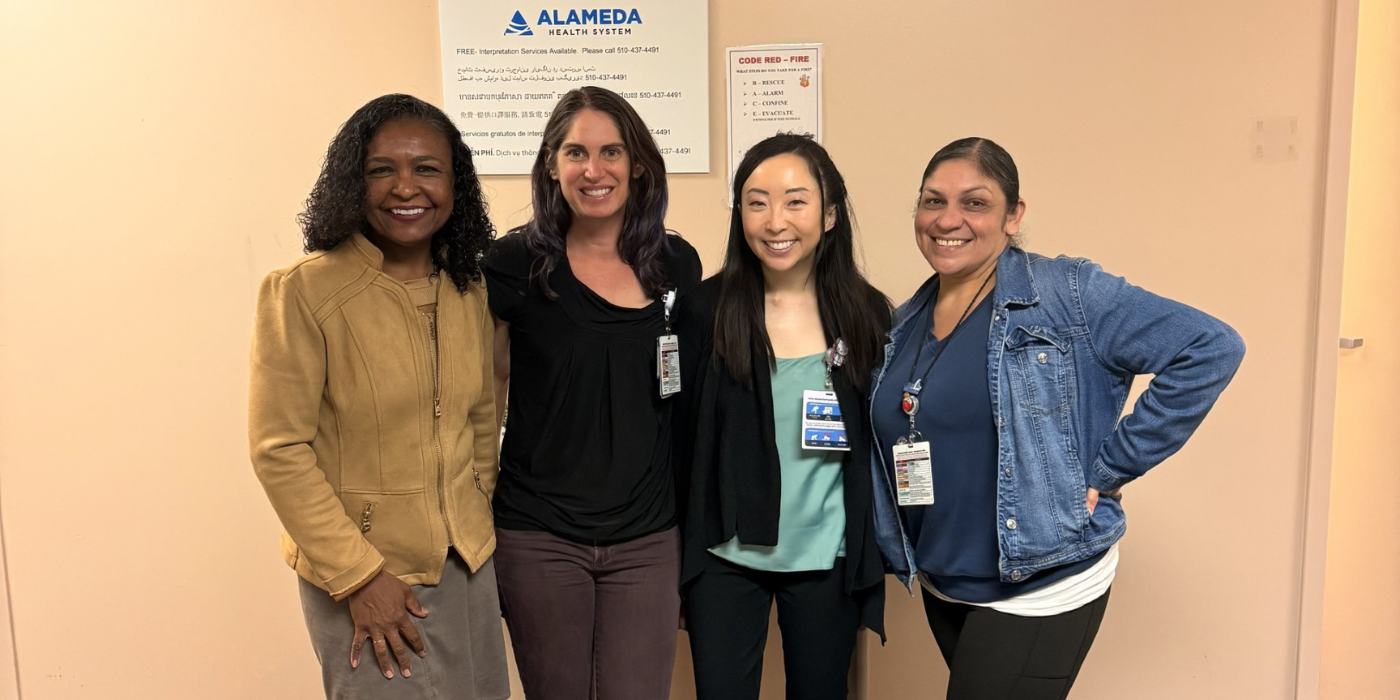
The team works with patients to support chronic disease management and connect them with needed resources. At EW, the team includes Laura Rombach, RN; Silvia Kellum, RD; and Maria Christina Gomez-Palacios, MA, who coordinate care based on each patient’s needs.
Care shifted to phone and video visits. Prescriptions were transferred to a home-delivery pharmacy, continuous glucose monitoring was restarted for remote blood sugar tracking, and a blood pressure monitor was provided for home use.
Within three months, Marie’s diabetes improved significantly. She stopped insulin and transitioned to a different medication while continuing close monitoring.
Food insecurity was addressed through Project Open Hand, which provides groceries and medically tailored meals. Marie met with Shin every few weeks via phone and video for follow-up and medication review.
By five months, she had returned to work, and her diabetes remained well controlled.
“If someone can’t come into the clinic for whatever reason, we find other ways to reach them,” Shin said, including phone visits, video visits, medication delivery or remote monitoring.
Over time, Marie regained control of her diabetes and hypertension through coordinated care and ongoing follow-up with her EW care team.
While her experience is unique, it reflects broader work across Alameda Health System (AHS), where care is shaped by a commitment to meet patients’ needs and keep them connected even in challenging circumstances.
AHS serves all patients regardless of ethnicity, national origin or immigration status and protects patient privacy, recognizing that trust is essential in care and that fear of seeking treatment can have serious consequences for immigrant communities experiencing uncertainty and stress.
Health is shaped by more than clinic visits, including the emotional stress and uncertainty patients may experience when accessing care. Food, housing, transportation and employment all influence a person’s ability to manage chronic disease.
As part of its workflow, the chronic care team routinely identifies barriers such as food insecurity, transportation challenges and difficulty accessing medications so patients can stay engaged in treatment.
By bringing together physicians, pharmacists, nurses and care coordinators, EW helps patients navigate these challenges and remain engaged in care.
“Managing a chronic condition happens largely outside the clinic,” Shin said. “Our role is to help patients overcome barriers and connect them with the resources they need to be healthy.”