

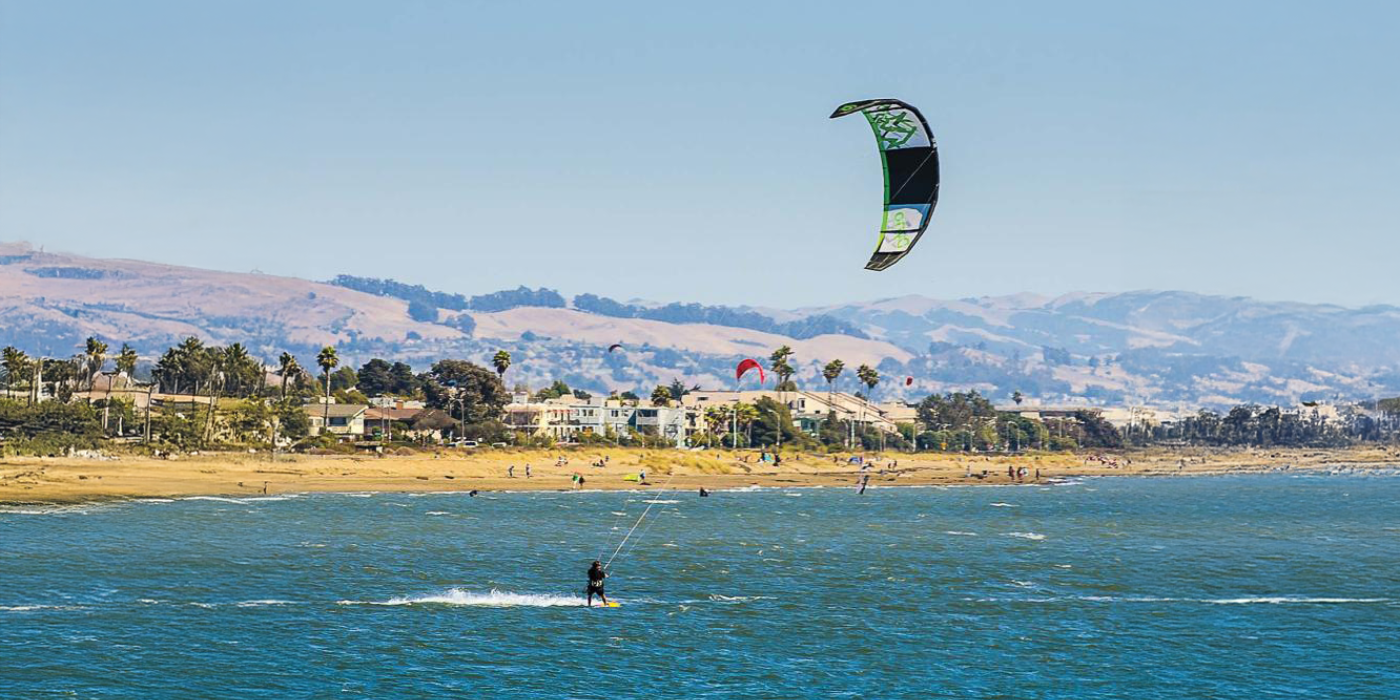
Summer in Alameda means more time outdoors, whether heading to Crown Memorial Beach, dining outside at Alameda Point, or enjoying a picnic at the city’s waterfront parks. Those everyday moments in the sun also serve as a reminder that protecting your skin should be part of every summer routine.
We sat down with Leon Clark Jr., MD, chief of dermatology at Alameda Health System (AHS), to talk about common misconceptions about sun protection, why skin cancer risk is often overlooked, and how residents can better protect their skin throughout the summer months.
“Many people associate sun damage only with hot days at the beach, but ultraviolet exposure happens during everyday activities like walking the dog, eating lunch outside, spending time at the park, or even while driving to work,” said Clark. “Protecting your skin with sunscreen, shade and protective clothing is one of the simplest ways to reduce your risk of skin cancer and premature aging.”
Nonmelanoma skin cancer, primarily basal cell and squamous cell carcinomas, is largely caused by accumulated, unprotected exposure to ultraviolet (UV) radiation from sunlight or artificial tanning beds. Melanoma, the fifth most common cause of cancer in the United States, can be more deadly and continues to rise nationwide.
A common misconception is that people with darker skin tones do not need sunscreen or are not at risk for skin damage. In reality, people of all skin tones can experience sunburn, premature aging and skin cancer. While melanin, the pigment that gives skin its color, does provide some natural protection, it functions like a very low SPF and is not enough to fully protect skin from ultraviolet (UV) rays.
“Melanin gives darker skin some natural protection against UV radiation, with estimates of a natural SPF up to about 13,” said Clark. “That protection is real, but it is modest. It does not replace the need for sunscreen, shade and protective clothing.”
Sunburn may not always look the same on darker skin tones. Instead of obvious bright redness, symptoms may include warmth, itching, tenderness, swelling, peeling, or increased skin sensitivity, and the affected area may appear darker brown, gray, or purplish in darker skin. Over time, repeated sun exposure can also worsen hyperpigmentation, leading to dark spots or uneven skin tone.
Dr. Clark also reminds residents that UV rays can still cause skin damage on cloudy or overcast days, including during Alameda’s familiar “June gloom” mornings.
He emphasized that skin cancer can affect people of all skin tones, though it may appear differently in patients with darker skin. Melanoma in Black patients is more likely to develop in less expected areas such as the palms of the hands, soles of the feet, or under the nails, which can contribute to delayed diagnosis.
Warning signs can include a spot or growth that changes, itches, bleeds, hurts, or does not heal. Clark encourages residents to become familiar with their skin by performing self-skin exams every three months and seeing a dermatologist if they notice anything new, changing, unusual, or concerning.
“We really need to dispel the myth that people with darker skin are immune from UV damage, including premature aging and skin cancer,” said Clark. “Skin cancer doesn’t discriminate, and protecting your skin is important for everyone.”
With summer getting underway, Dr. Clark recommends five simple ways to protect your skin:
- Wear sunscreen every day with SPF 30 or higher that is broad spectrum and water resistant
- Seek shade during peak sun hours, especially between 10 a.m. and 4 p.m.
- Wear lightweight protective clothing, including a wide-brimmed hat
- Wear sunglasses that filter out UV light
- Check your skin regularly for any new or changing spots, moles or discoloration
Clark also offers a simple way to think about timing sun protection throughout the day. “The time to seek shade is when your shadow is shorter than you are,” he said.
He also reminds residents to stay hydrated while spending time outdoors, especially during warmer days when heat and sun exposure can add up quickly.
During periods of extreme heat, the City of Alameda opens cooling centers to provide residents with relief. Taken together, these simple steps can help residents stay safe all summer long.
This summer, don’t forget to protect yourself while enjoying Alameda’s outdoor spaces. As Dr. Clark puts it, “Make sun protection a habit, not a weather decision.”
Read full article on the Alameda Post here.